



Health care is a big part of life, and many families are looking for simple ways to plan ahead, save money, and stay prepared for the unexpected. That’s where a Health Savings Account (HSA) can make a real difference.
HSA accounts are now available from MEMBERS1st! Here’s what you should know about how they work, why they matter, and how they can support your long-term financial and health goals.
What Is an HSA?
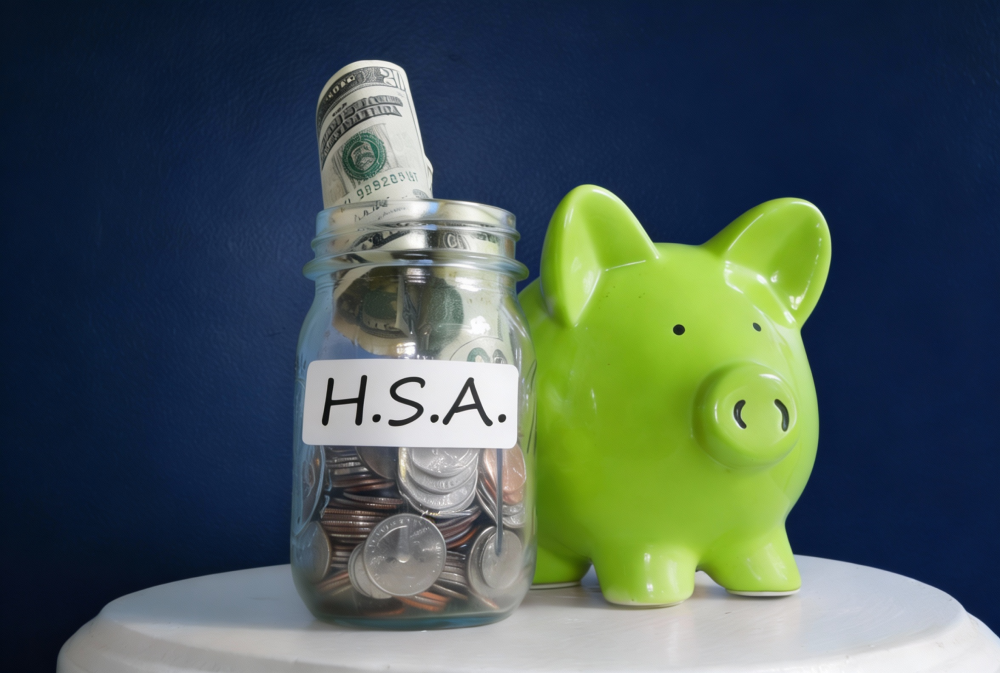
A Health Savings Account (HSA) is a special spending account you can use to pay for qualified medical expenses. It goes hand-in-hand with a High-Deductible Health Plan (HDHP).
Fun fact: an HSA acts a checking account with debit cards and checks available.
If you’re enrolled in an HDHP, you may be able to open an HSA to help cover out-of-pocket costs like:
- Doctor visits
- Prescriptions
- Lab work
- Dental and vision care
- Medical supplies
- And many other eligible expenses
The money in your HSA is yours to keep, even if you switch jobs or insurance plans. MEMBERS1st now offers an HSA with no fees and 0.50% APY*.
Why HSAs Matter Right Now
Health insurance premiums and medical costs have continued to rise for many people. While an HSA can’t stop those increases, it can give you:
- A smarter way to budget for expected and unexpected health expenses
- Tax advantages that help your money stretch further
- More control over how and when you use your healthcare dollars
In a time when every dollar matters, an HSA is a tool that can help you stay ahead instead of feeling caught off guard.
Top Benefits of an HSA
HSAs offer a unique set of advantages that set them apart from other savings options:
1. Triple Tax Benefits
This is one of the biggest reasons HSAs are so popular:
- Tax-free contributions work similar to IRAs and are made pretax through payroll or by the account holder, with contributions allowed until the April tax deadline.
- Tax-free growth on your balance
- Tax-free withdrawals for qualified medical expenses
This “triple tax advantage” allows you to save more while reducing your taxable income.
2. Your Money Rolls Over
Unlike some employer health accounts, your HSA balance doesn’t disappear at the end of the year. The money rolls over and keeps growing, year after year.
3. You Own the Account
An HSA is yours—not your employer’s or your insurance company’s. You control how much you save, when you spend it, and what you spend it on.
4. It Can Support Your Retirement
After age 65, you can use HSA funds for any expense (not just medical) without penalty. You’ll just pay regular income tax on non-medical withdrawals. For medical expenses, withdrawals remain tax-free. This makes an HSA a helpful long-term planning tool, not just a short-term one.
When an HSA Makes Sense
An HSA might be a good fit if:
- You’re enrolled in a High-Deductible Health Plan
- You want to prepare for medical costs in a more intentional way
- You prefer lower monthly premiums and are comfortable with a higher deductible
- You’re looking for tax-friendly savings options
- You want more control and flexibility in your healthcare spending
If you’re unsure, it can help to compare your current insurance costs with an HDHP + HSA combo to see what aligns best with your budget and health needs.
How You Can Use HSA Funds
HSAs can be used for hundreds of qualified expenses, including:
- Primary care and specialist visits
- Physical therapy and chiropractic care
- Dental cleanings and orthodontics
- Eye exams, glasses, and contacts
- Mental health services
- Prescription medications
- Medical equipment like braces, insulin supplies, or bandages
You can even use your HSA for eligible expenses for your spouse or dependents (those claimed as dependent on your tax filing), even if they’re not on your insurance plan.
What to Watch For
Before opening an HSA, keep these points in mind:
1. You Must Have an HDHP
If your health plan isn’t HSA-eligible, you won’t be able to open one.
2. Pay Attention to Contribution Limits
The IRS sets yearly limits on how much you can contribute. These may change from year to year, so it’s important to stay up to date.
3. Keep Receipts
You’ll want documentation for any HSA withdrawals in case you ever need to verify that the expense was qualified.
4. Non-Medical Spending Has Rules
Using HSA funds for non-medical expenses before age 65 comes with taxes and a penalty. After 65, the penalty goes away—but medical uses still offer the biggest benefits.
HSAs at MEMBERS1st are Available Now!
MEMBERS1st is excited to introduce Health Savings Accounts to help our members take charge of their health and financial wellness. Whether you’re preparing for this year’s medical expenses or thinking ahead to retirement, an HSA can be a powerful tool to support your goals.
If you’re paying fees and/or not earning APY on your existing HSA, make the switch to a MEMBERS1st HSA. If you are enrolled in a High-Deductible Health Plan and have not opened an HSA, now is a great time to schedule an appointment at MEMBERS1st. You will receive a free debit card and will have the option to order checks.
The Bottom Line
Health care will always be part of life, but the stress around paying for it doesn’t have to be. An HSA helps you save with purpose, spend with confidence, and plan for the future—all with valuable tax advantages that keep more money in your pocket.
Now is a great time to learn whether this flexible, tax-smart account from MEMBERS1st is right for you and your family.
Health Savings Account (HSA) Contribution Limits
| Tax Year | Self-Only Coverage | Family Coverage | Catch-Up (Age 55+) |
|---|---|---|---|
| 2025 | $4,300 | $8,550 | $1,000 |
| 2026 | $4,400 | $8,750 | $1,000 |
HSA-Compatible High Deductible Health Plan (HDHP) Requirements
| Tax Year | Coverage Type | Minimum Deductible | Maximum Out-of-Pocket Expense |
|---|---|---|---|
| 2025 | Self-Only | $1,650 | $8,300 |
| 2025 | Family | $3,300 | $16,600 |
| 2026 | Self-Only | $1,700 | $8,500 |
| 2026 | Family | $3,400 | $17,000 |